The Pilanesberg National Park
An extinct volcano, 55 000 hectares, and the Big Five
The Pilanesberg National Park is one of the largest game reserves in South Africa and, for anyone based in Gauteng, by far the most accessible. It covers around 55 000 hectares, is entirely malaria free, and sits roughly two and a half hours from Johannesburg.
An extinct volcano
The park's most remarkable feature is geological. The Pilanesberg occupies the eroded remains of an alkaline ring complex — the plumbing of a volcano that erupted roughly 1 200 million years ago. It is one of the largest and best-preserved structures of its kind anywhere in the world.
What you see on the ground is three concentric rings of hills encircling a basin of savanna grassland. At the centre lies Mankwe Dam, the park's largest body of water and one of its best game-viewing spots. Because the Pilanesberg sits on the transition between the dry Kalahari and the wetter Lowveld, plant species from both regions grow here — which is a large part of why the wildlife list is so long.
Operation Genesis
The park as it exists today was built, not inherited. In 1979 the North West authorities launched Operation Genesis — at the time one of the largest wildlife translocation projects ever attempted. The area was game-fenced and more than 6 000 animals of species that had long since vanished from the region were reintroduced.
Nearly fifty years on, the park carries in excess of 7 000 animals across roughly 24 larger species.
What lives here
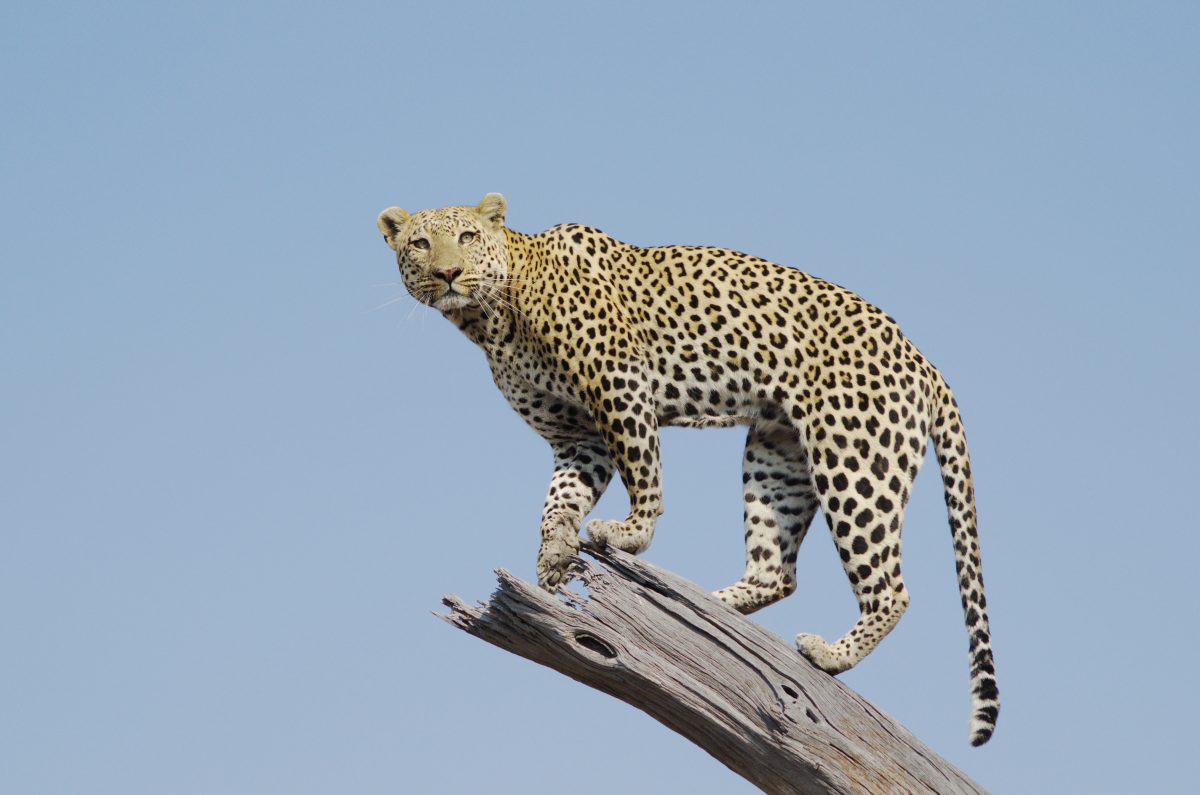
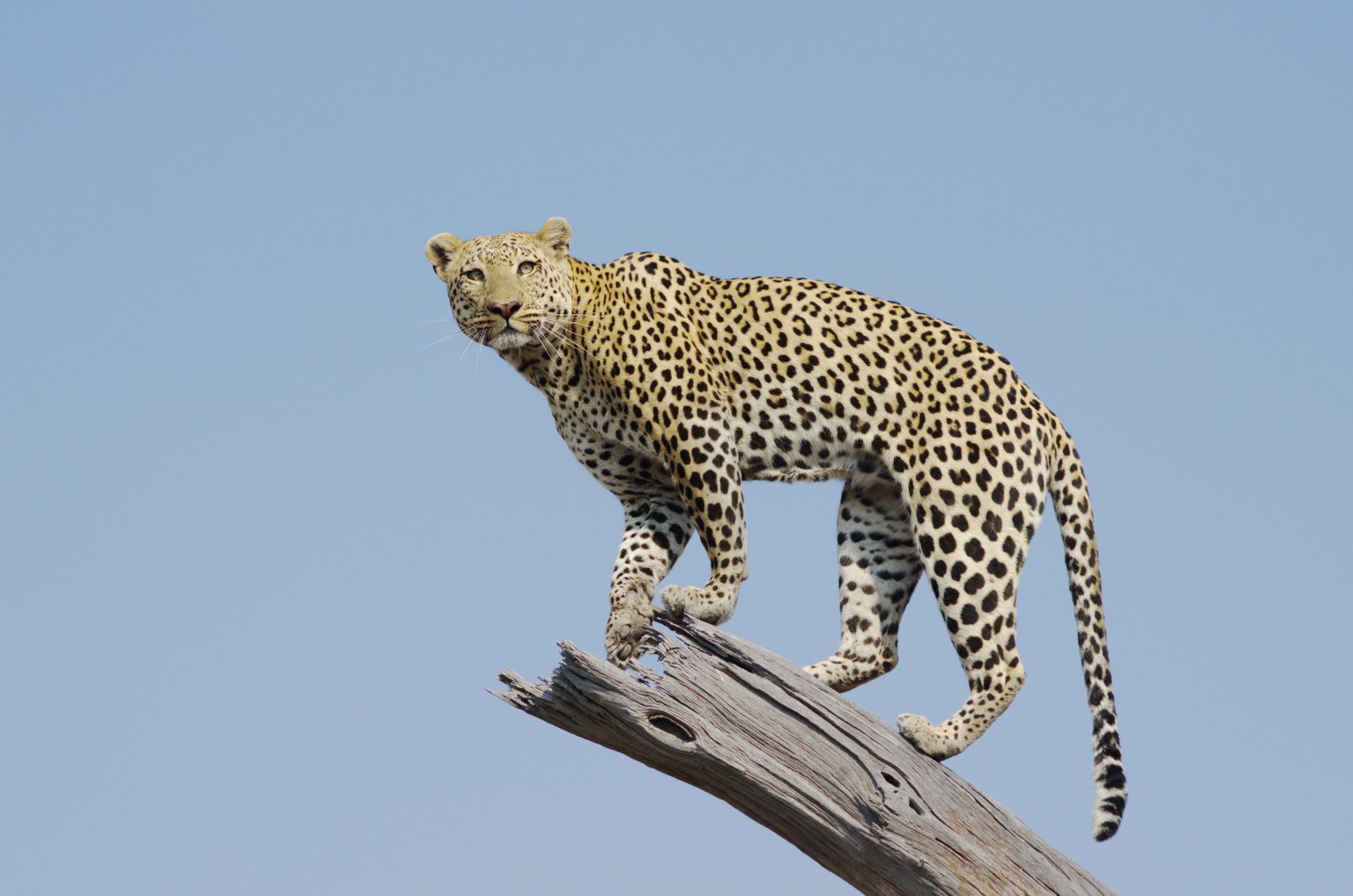
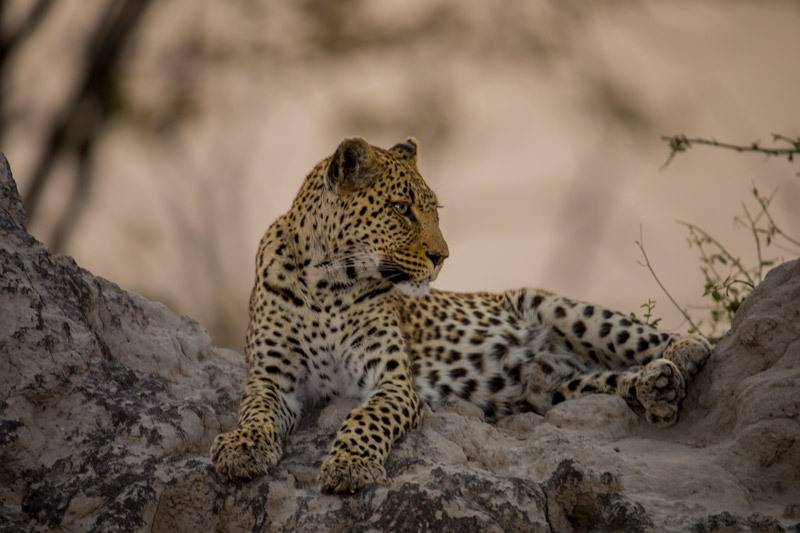
- The Big Five — lion, leopard, elephant, buffalo, and both black and white rhino.
- Rare antelope — sable, roan and tsessebe, all uncommon elsewhere in South Africa.
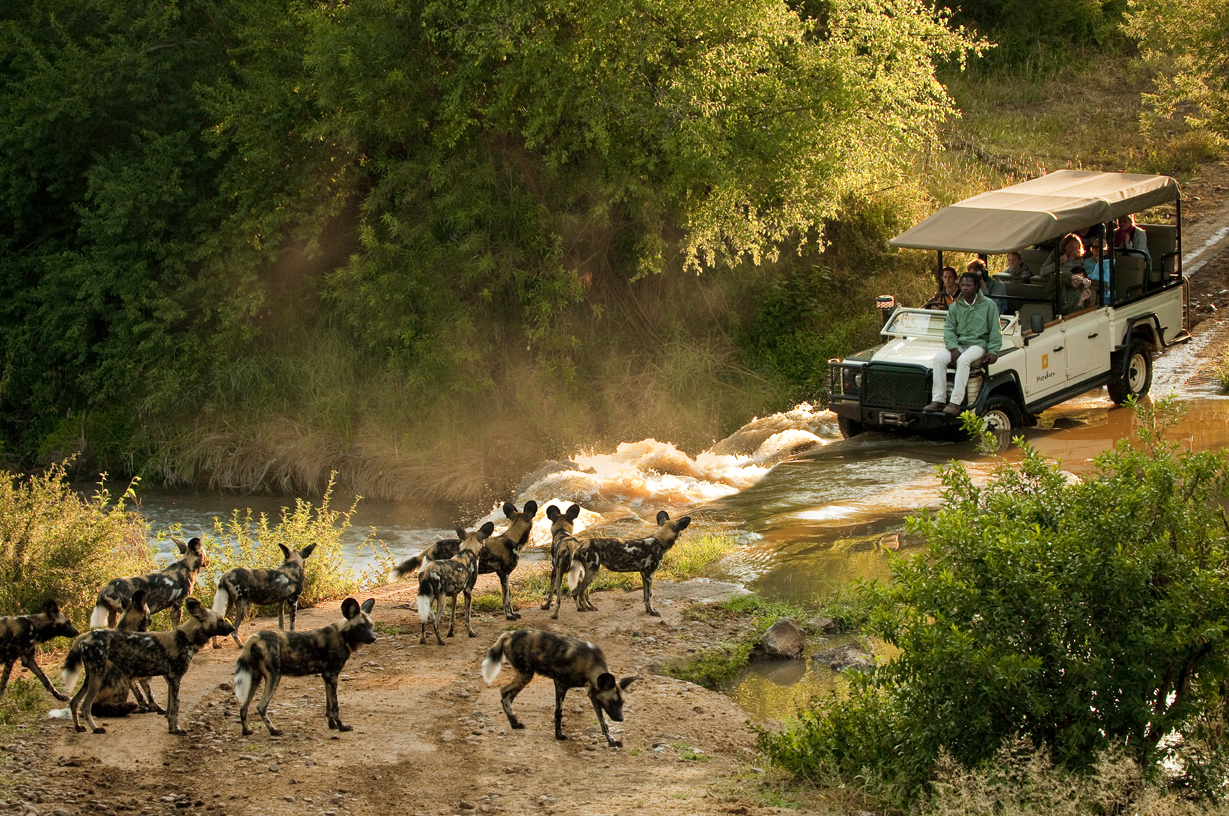
- African wild dog and brown hyaena.
- Over 350 bird species, swelling in summer as migrants arrive.
See the full species checklists for mammals, birds, reptiles, trees and more.
Getting around the park
The Pilanesberg has an extensive network of gravel and tarred roads, several game-viewing hides overlooking waterholes, picnic sites, and a walk-in aviary. Five public gates serve the main park; the Black Rhino Game Reserve has a sixth, private gate of its own.
Guests staying in the Black Rhino concession get the best of both — private traversing on the concession plus access to the greater park.
Human history
People were here long before the park was. Stone Age and Iron Age sites are scattered throughout the Pilanesberg, and the area takes its name from Chief Pilane of the Bakgatla.